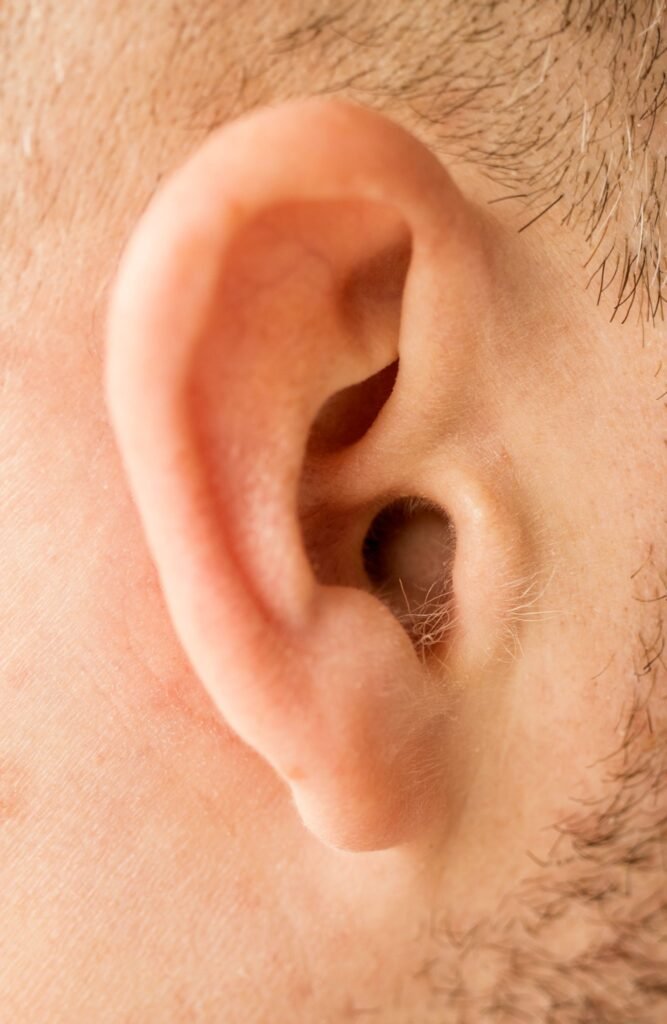
How to Improve Blood Circulation to Your Ears in 2026 mainly comes down to three things: reducing sodium intake, staying consistently active, and managing stress, since all three directly affect the tiny blood vessels feeding your inner ear. Better circulation supports nerve function and may help reduce ear-related discomfort over time.
Most people never think about blood flow to their ears until something feels off, a dull pressure, a pulsing sound, or ringing that seems to get worse on certain days. I didn’t either, until I started digging into why my own ear health seemed to fluctuate so much depending on my daily habits.
Why Circulation Matters So Much for Ear Health
The inner ear relies on a dense network of tiny blood vessels to deliver oxygen and nutrients to the hair cells responsible for hearing. When circulation is poor, these cells don’t get what they need to function properly, which can contribute to symptoms like ringing, pressure, or a feeling of fullness.
This is why so many ear health conversations eventually circle back to cardiovascular health. What’s good for your heart and blood vessels tends to be good for your ears too.
Daily Habits That Support Better Circulation
You don’t need a complicated routine to start supporting healthy blood flow. A few consistent habits make a real difference over time.
Reduce sodium intake, since high salt levels can constrict blood vessels and raise blood pressure
Move your body daily, even a 20-minute walk improves overall circulation
Stay properly hydrated, since dehydration thickens blood and slows circulation
Limit excessive caffeine, which can constrict blood vessels temporarily
Manage stress levels, since chronic stress keeps your nervous system in a constricted state
Key Nutrients Worth Knowing About
Certain nutrients are commonly associated with circulatory and nerve support. This isn’t medical advice, just what tends to come up repeatedly in ear health research.
Vitamin B12, important for nerve health and function
Magnesium, involved in healthy blood vessel function
Omega-3 fatty acids, associated with cardiovascular and circulatory support
Zinc, linked to overall auditory system health in some studies
When Poor Circulation Shows Up as Ear Symptoms
Not every case of tinnitus or ear discomfort is circulation related, but it’s a common enough connection that it’s worth paying attention to. If you notice your symptoms fluctuate with your diet, activity level, or stress, circulation is a reasonable place to start looking.
Some people also look into supplements built around circulation-supportive ingredients as part of a broader approach. I looked into one of these myself, a supplement called Quietum Plus, which includes ingredients like Epimedium that are traditionally associated with circulation support. I cover my full experience with it in my Quietum Plus review if that’s useful context.
Building It Into a Sustainable Routine
The habits that support circulation aren’t a one-time fix. They work because of consistency, not intensity. A short daily walk done every day tends to matter more than one long workout done occasionally.
Think of it as maintenance for a system that’s easy to ignore until something feels off, similar to how people don’t think about their knees until they start hurting.
Frequently Asked Questions
Can poor circulation actually cause ringing in the ears
It can be a contributing factor for some people, though tinnitus has many possible causes, so circulation is one piece of a larger picture rather than the whole explanation.
How long does it take to notice a difference from lifestyle changes
Most people report noticing gradual changes over several weeks of consistent habits rather than an immediate shift.
Should I see a doctor before making changes
If you’re experiencing sudden hearing changes, dizziness, or severe symptoms, see a doctor or ENT first. Lifestyle changes like diet and exercise are generally safe for most people to start on their own.

Roshan Rao is a wellness researcher who writes practical, research-based guides on health, sleep and family life.