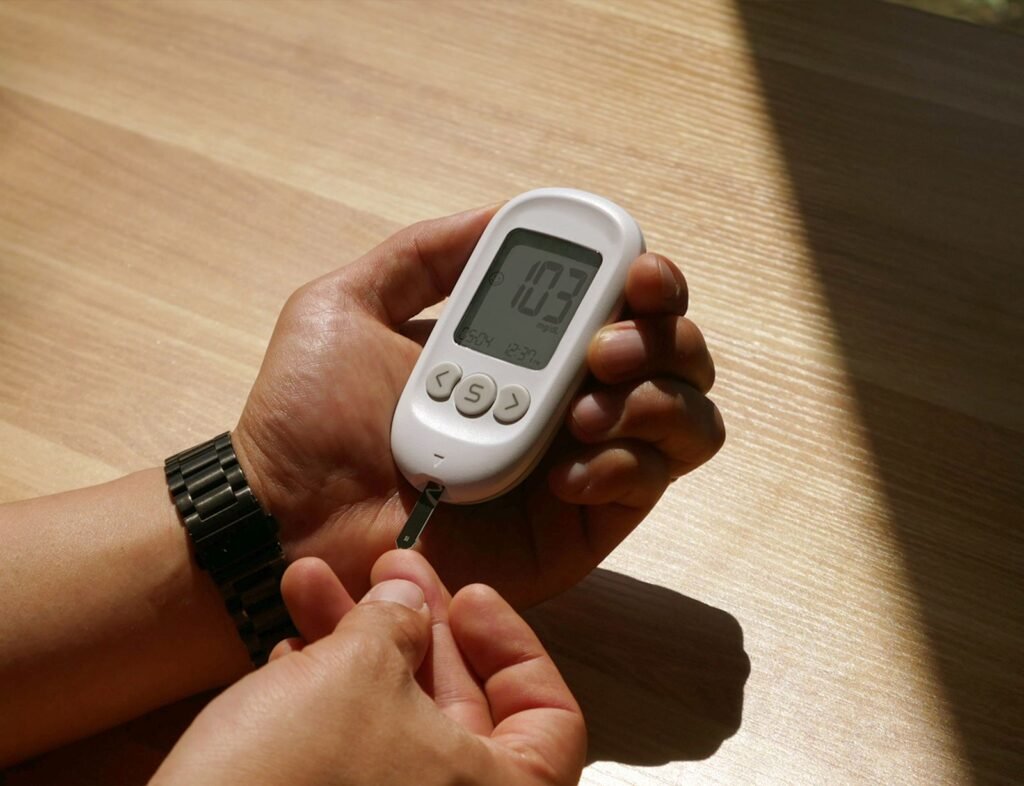
Signs your blood sugar may need attention include frequent energy crashes, increased thirst or hunger, unexplained fatigue, difficulty concentrating, sudden sugar cravings, blurred vision, and slow-healing cuts or wounds, all of which are worth discussing with a doctor and confirming with actual blood sugar testing rather than assumptions alone.
Blood sugar changes can develop gradually, which means everyday symptoms are easy to attribute to stress, poor sleep, or simply getting older. Recognizing these signs your blood sugar may need attention is the first step toward getting proper testing, since none of these symptoms alone confirm what’s actually happening without a doctor’s evaluation.
1. Frequent Energy Crashes
A predictable slump an hour or two after eating, especially after carbohydrate-heavy meals, can be linked to how your body is processing glucose, though fatigue has many possible causes worth discussing with a doctor.
2. Increased Thirst or Frequent Urination
Noticeably increased thirst alongside more frequent bathroom trips than usual is a commonly recognized combination worth mentioning to a doctor, since it’s associated with blood sugar levels outside a healthy range.
3. Unexplained Fatigue
Persistent tiredness that doesn’t improve with adequate sleep can sometimes be connected to how efficiently your cells are able to use glucose for energy, though fatigue has many possible underlying causes.
4. Difficulty Concentrating
Brain fog or trouble focusing, particularly if it fluctuates throughout the day in a pattern connected to meals, is sometimes associated with blood sugar swings and worth mentioning at your next checkup.
5. Sudden or Intense Sugar Cravings
- Strong cravings that hit shortly after eating, rather than genuine hunger
- Cravings that feel disproportionate to how recently you ate
- A cycle of eating sugar, crashing, then craving more
6. Blurred or Fluctuating Vision
Vision that seems to blur temporarily, particularly if it comes and goes rather than being a consistent prescription-related issue, is a symptom worth raising with a doctor rather than assuming it’s simply eye strain.
7. Slow-Healing Cuts or Wounds
Minor cuts or bruises that seem to take noticeably longer to heal than they used to can sometimes be connected to blood sugar levels affecting circulation and immune response, and this pattern is worth mentioning at a checkup.
Getting Actual Testing Matters
None of these signs alone confirm a blood sugar issue, they’re worth raising with a doctor who can order appropriate testing, such as a fasting glucose test or A1C, rather than relying on symptoms alone to draw conclusions.
Supporting Healthy Blood Sugar Day to Day
Alongside proper medical evaluation, many people focus on daily habits like balanced meals, movement, and sleep, covered in more depth in our guide on how to support healthy blood sugar naturally. Some also incorporate supplements like GlucoTrust, formulated with ingredients like chromium and cinnamon bark traditionally associated with supporting healthy glucose metabolism.
When to See a Doctor
Any combination of these signs, especially if new, persistent, or worsening, warrants a conversation with a doctor and proper testing rather than lifestyle changes alone, since only clinical testing can confirm what’s actually happening with your blood sugar.
Frequently Asked Questions
Can these signs mean something other than a blood sugar issue
Yes, many of these symptoms overlap with other conditions like thyroid issues or dehydration, which is exactly why proper testing rather than assumption is important for an accurate answer.
How is blood sugar actually tested
Common tests include a fasting glucose test, which measures blood sugar after not eating for several hours, and an A1C test, which reflects average blood sugar levels over roughly the past three months.
Should I be concerned if I only notice one of these signs occasionally
Occasional, mild symptoms aren’t necessarily cause for alarm, but a pattern of multiple signs, or any symptom that’s persistent or worsening, is worth discussing with a doctor rather than monitoring alone.

Roshan Rao is a wellness researcher who writes practical, research-based guides on health, sleep and family life.