How to improve joint mobility naturally starts with regular low-impact movement, staying hydrated to support joint lubrication, maintaining a healthy weight to reduce joint load, and incorporating gentle stretching, all of which help preserve the synovial fluid that keeps joints moving smoothly as we age.
Joint stiffness often creeps in gradually, especially after 40, and many people assume it’s simply something to live with. While some age-related change is normal, there’s a lot you can do to support how well your joints move day to day. Here’s how to improve joint mobility naturally with habits that actually make a difference.
Why Joint Mobility Declines With Age
Joints rely on a substance called synovial fluid, which contains hyaluronic acid, to keep cartilage lubricated and reduce friction during movement. As we age, natural hyaluronic acid production tends to decrease, which is part of why joints can feel stiffer or less flexible over time, even without any specific injury or diagnosed condition.
1. Stay Consistently Active, Not Just Occasionally
Regular, gentle movement like walking, swimming, or cycling helps circulate synovial fluid through the joints, which supports lubrication far better than long periods of inactivity followed by occasional intense exercise.
2. Prioritize Low-Impact Movement
Activities like swimming, cycling, and yoga put less stress on joints than high-impact activities like running, making them a sustainable way to stay active without exacerbating stiffness, especially for people who are already noticing some joint discomfort.
3. Stay Hydrated
Synovial fluid itself is largely water-based, and adequate hydration supports the body’s ability to maintain healthy fluid levels throughout the joints, not just for overall health but specifically for how well joints move.
4. Maintain a Healthy Weight
- Every extra pound of body weight adds meaningfully more pressure on weight-bearing joints like knees and hips
- Gradual, sustainable weight management reduces this load over time
- Combined with movement, this is one of the most effective long-term strategies for joint comfort
5. Incorporate Gentle Stretching
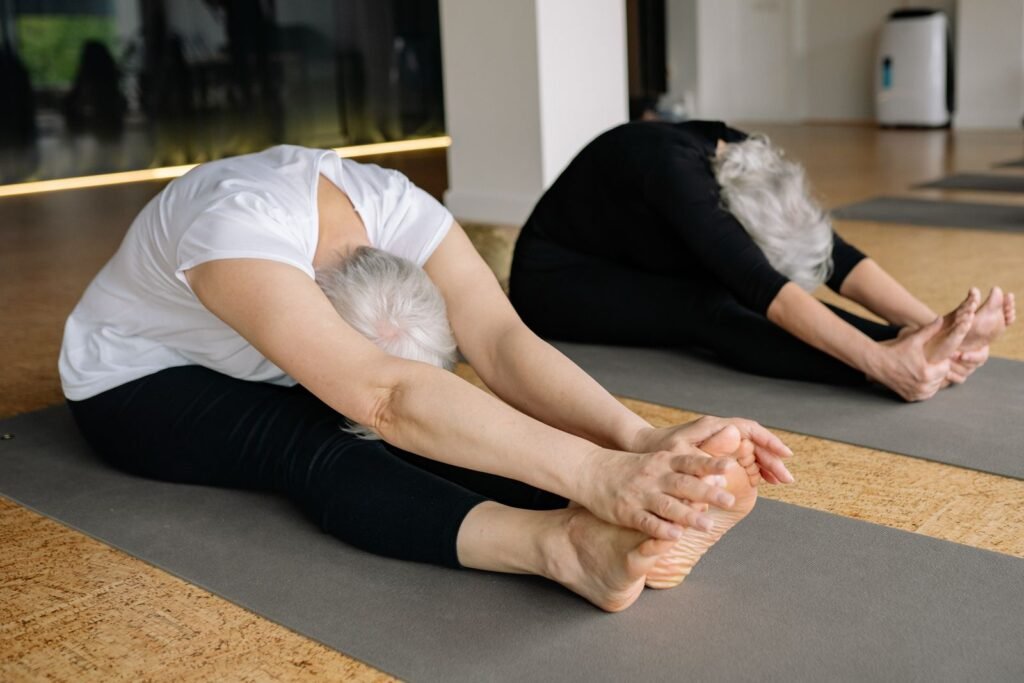
Daily stretching, even just 10 minutes, helps maintain range of motion and can prevent the gradual stiffening that comes from joints simply not being moved through their full range regularly.
6. Support Joint Lubrication Nutritionally
Alongside movement and hydration, some people look to supplements formulated to support synovial fluid and joint lubrication, such as Joint Genesis, which contains ingredients like Mobilee and French maritime pine bark extract intended to support the body’s natural hyaluronic acid levels as part of a broader approach to joint mobility.
When to See a Doctor
If joint stiffness is accompanied by significant pain, swelling, or a noticeable loss of function, this warrants a conversation with a doctor rather than relying on lifestyle changes alone, since these symptoms can sometimes indicate an underlying condition needing proper diagnosis. For related warning signs to watch for, see our guide on signs your joints need more support.
Frequently Asked Questions
Does exercise help or hurt stiff joints
Generally helps, gentle and consistent movement supports joint lubrication and mobility, while prolonged inactivity tends to make stiffness worse over time.
How much water should I drink for joint health
General hydration guidelines apply, there’s no separate joint-specific target, but consistent daily hydration supports the fluid-based systems throughout the body, including synovial fluid.
Is stiffness in the morning always a sign of a joint problem
Brief morning stiffness that resolves within a few minutes of moving around is common and often normal, but stiffness that persists longer or worsens over time is worth mentioning to a doctor.

Roshan Rao is a wellness researcher who writes practical, research-based guides on health, sleep and family life.